Gift-giving can feel like an Olympic sport—a high-stakes, highly emotional event where the pressure to “buy big” often outweighs the actual joy of giving. We live in a culture Father's Day Australia that conflates monetary value with emotional significance; if it doesn't cost $100 or more, we assume it doesn't mean much. But what if true thoughtfulness has nothing to do with price tags and everything to do with intention? The goal isn’t to buy something luxurious; the goal is to signal, "I see you." Learning how to make a simple gift feel incredibly thoughtful and expensive is less about spending money and more about mastering the art of observation.
Think back to a time someone gave you a small, inexpensive item—a favorite candy bar bought from your childhood store, or a book recommendation that changed your perspective. That feeling of being truly seen is priceless. The secret ingredient isn't glitter or gold leaf; it’s the meticulous effort you put into the process of selection and presentation. By shifting our focus from the gift itself to the story behind it, we can elevate even the most basic gesture into a deeply meaningful experience.
Investing Time: The Currency of Connection
When people think of making something feel expensive, they immediately picture brand names or high-end materials. However, the single most valuable commodity you possess is your time—and the mindful investment of that time speaks louder than any designer label ever could. Thoughtfulness is a reflection of effort, and effort always costs time.
Instead of running to the nearest big-box store for an immediate solution, take a moment to pause and reflect on the recipient. What do they complain about lacking? What small things do they mention in passing that they wish they had more of? These overheard snippets are gold mines.
For example, I once knew a friend who was perpetually stressed by kitchen clutter. Instead of buying her a fancy new appliance (which would have been expensive and potentially unwanted), I spent an afternoon at a local hardware store picking out beautiful, matching small containers—the kind usually meant for screws or craft supplies. When she opened the little box, she didn't see "hardware"; she saw 15 perfect spots to organize her spices, jewelry findings, and charging cables. The gift was $30 in total, but the sheer thought behind finding that specific aesthetic solution made it feel custom-designed for her life.
Do you really need a massive budget to solve someone’s small, irritating daily problem? Often, the most genius gifts are simply hyper-functional solutions disguised as pleasant objects.
The Power of Hyper-Personalization: Knowing Your Person
A generic gift feels like an apology; a personalized one feels like destiny. To truly master how to make a simple gift feel incredibly thoughtful and expensive, you must become a human anthropologist dedicated solely to your recipient. This means remembering tiny details that others overlook—the specific shade of blue they love, the coffee brand they only drink when they are writing, or the book genre they swore they would never read but secretly adore.
This level of detail transforms an object from being merely nice into being deeply necessary. Consider metaphors: a generic gift is like a broad net cast into the ocean; a personalized gift is like a perfectly tailored arrow aimed at a specific target. It hits with precision and power.
Beyond the Obvious: Observation Skills
The most impactful gifts operate in the space between what someone says they want and what they actually need.
- Listen for frequency: If they mention something three times over two months, it's not an accident. Watch their routines: Do they always struggle to find a coaster for their specific mug? Is their reading chair perpetually uncomfortable? Recall shared moments: Tie the gift back to a memory you share. "This tea reminds me of that rainy afternoon we spent at your house."
If you can nail this level of detail, people will feel like they have been read. It makes them believe you invested dozens of hours in understanding their soul—even if those hours were just spent on Google Maps and remembering a conversation snippet.
Elevating the Experience: Presentation as Art Form
Once you’ve chosen your thoughtful item, don't let it sit there waiting for an unwrapping. The presentation is part of the gift, and treating it like such makes all the difference. This is where we turn the simple into the spectacular without touching our wallets.
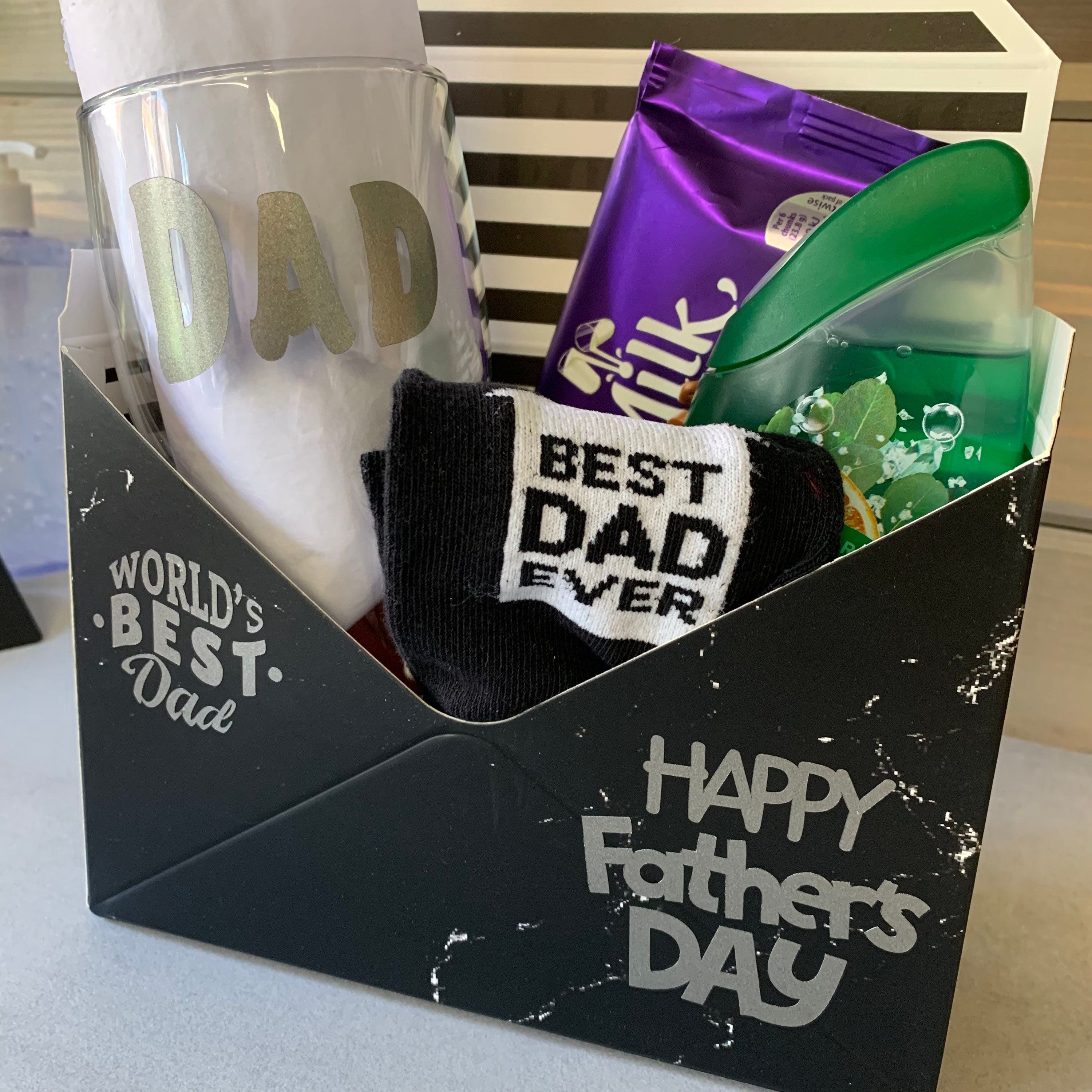
A $15 candle can feel like a $150 scented experience if you commit to the ritual. Think about creating a mini-unboxing event. The packaging should tell a story before the gift does.
- Curate the context: Include items that enhance the main gift. If it’s a journal, add a nice pen and a custom bookmark with an inspiring quote. Handwritten notes are non-negotiable: Don't just write "Happy Birthday." Write why you appreciate them—specifically mentioning a quality they possess (e.g., "Your tenacity when tackling that big project was truly inspiring"). This is where the emotional value skyrockets. The scent memory: Use scents strategically. A specific essential oil diffused with the gift's opening can tie the material object to an immediate, pleasant sensory memory of you.
As a poet once wrote, "How lovely it is to give away a small piece of yourself." Your care in preparation becomes that small, invaluable piece. This focused attention helps answer the question: how to make a simple gift feel incredibly thoughtful and expensive? The answer is through ritual.

Beyond the Gift: Cultivating Shared Moments
The ultimate goal of gifting should never be material exchange; it must always be connection. If you approach any future act of giving with this mindset—that the object is simply a catalyst for shared time or deep conversation—the pressure vanishes and the meaning expands infinitely.
Instead of focusing on what to buy, focus on when and where you can experience something together that relates to the gift. Did you give them a book? Suggest going to a local park bench with tea and discussing it next week. Did you give them gourmet coffee beans? Arrange a morning "tasting date" in your kitchen.
What truly sustains https://files.fm/u/cq4a93j42r relationships isn't the sporadic burst of expensive gestures, but the consistent application of caring attention. When we learn to make small gifts feel incredibly thoughtful, we are essentially giving away our focused, undivided attention—and that is the most valuable currency of all. Start practicing these habits today, and watch how the depth of your connections deepens, one perfectly curated moment at a time.