Have you ever felt that knot in your stomach when holiday cards start arriving? It’s not just about buying things; it's about a deep, internalized pressure—a feeling that the perfect gift somehow holds the key to emotional connection or validation. If you are anything like most parents, you know this anxiety well. The desire to make your daughter feel loved and seen often morphs into a stressful performance review every December. But what if we could shift the focus from the perfect gift to the perfect moment?
Gift-giving has become an elaborate cultural ritual wrapped in consumerism. We treat it like a standardized test: Give X amount, receive Y level of appreciation. When the actual results inevitably fall short—or when our own expectations are impossibly high—the anxiety hits us like a tidal wave. This guide isn't about finding cheaper gifts; it’s about fundamentally changing the emotional architecture around giving and receiving so that the joy remains genuine, even when things feel overwhelming.
Understanding Why Gift-Giving Anxiety Takes Hold
The root of this persistent stress is rarely about money or effort; it’s about external validation. We mistakenly equate material objects with abstract feelings like love or appreciation. When we start fixing gift giving anxiety for daughters, we are actually trying to soothe our own deep-seated fears about connection and acceptance.
This pressure builds because society has sold us the myth of the "magic moment"—the instant a beautifully wrapped box makes everything right. But emotional well-being is not something you can unbox. Understanding this distinction is the first step toward dismantling the anxiety cycle.
- The Illusion of Perfection: We hold ourselves to an impossible standard, believing that one gift choice can solve years of communication gaps. Comparison Culture: Social media fuels a relentless comparison game, making our own efforts feel inadequate next to idealized portrayals of "perfect gifting." Performance Anxiety: For us, the act of giving becomes a performance where we must prove our love through our wallet.
How much energy are we spending worrying about what others think, rather than simply enjoying the connection? Recognizing that the anxiety stems from expectation—not lack of love—is incredibly freeing.
Pivoting from Product to Presence: The Power of Intentional Giving
The most effective antidote to gift-giving stress is a profound shift in perspective. We need to move away from thinking about what we buy and toward celebrating what we do. When planning gifts, ask yourself this core question: Does this item enhance the relationship, or does it just fill space?
This doesn't mean your daughter can only receive experiences; it means that even physical gifts should be accompanied by intention. Instead of simply purchasing a trendy gadget, pair it with a handwritten letter detailing why you think she will enjoy it, referencing specific memories together. This turns the item from a transaction into a narrative.
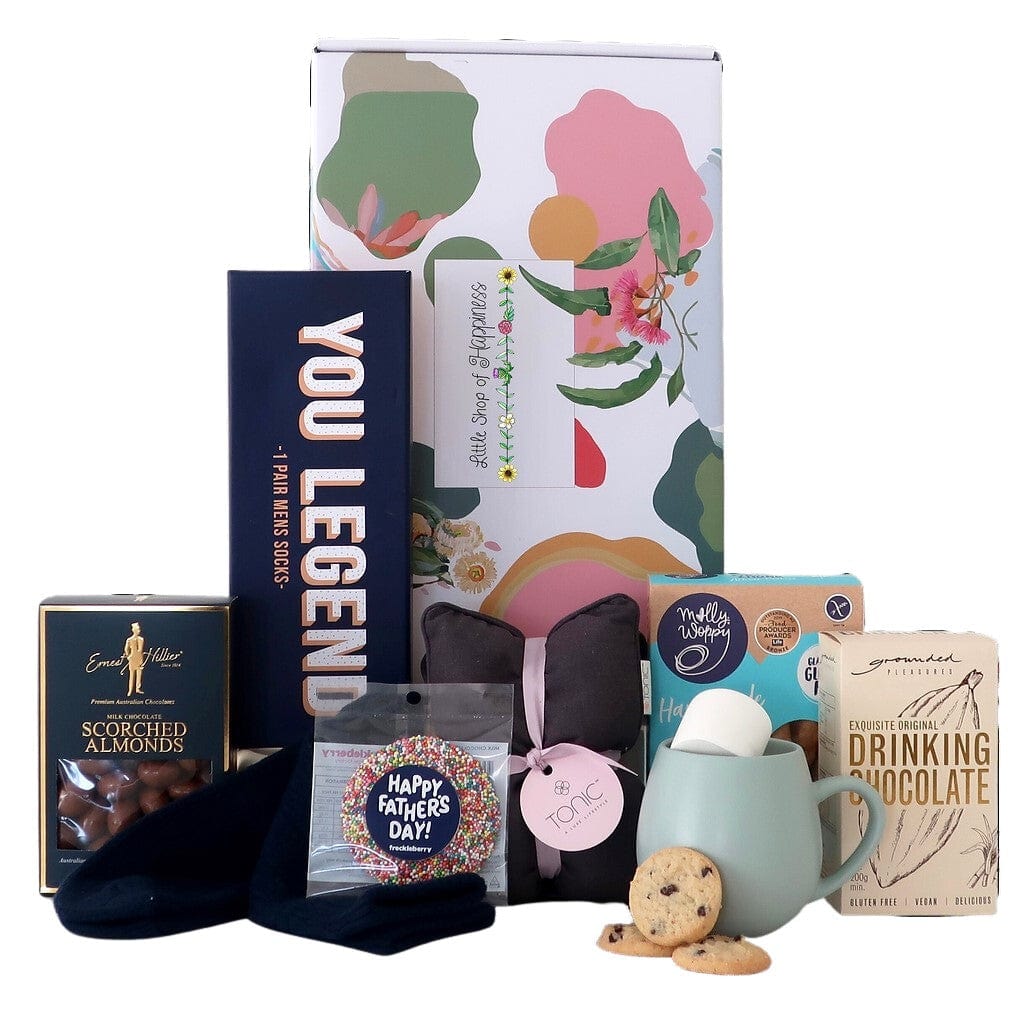
“The most important things in the world cannot be Father's Day Gift Hampers measured or put on a price tag.” — Unknown
This sentiment serves as a powerful reminder that our emotional capital is far more valuable than any credit card purchase. By focusing on the care baked into the giving process, we begin to chip away at fixing gift giving anxiety for daughters from the inside out.
Curating Memories Instead of Material Goods
If you are struggling with how to shift gears, try creating "experience kits." These bundles require effort and thought but cost very little:

- The Movie Night Box: A cozy blanket, a bag of gourmet popcorn, and a handwritten list of five movies you promise to watch together. The Skill-Building Kit: A nice notebook, a pen, and a voucher promising to dedicate an afternoon entirely to learning a skill with her (baking bread, basic coding, etc.).
This approach reframes the gift as an invitation, not an object.
Setting Boundaries for the Giver: Protecting Your Own Peace of Mind
The most overlooked element in this entire process is the giver—you. If you are running on empty, your anxiety will inevitably spill over onto your daughter and the entire family atmosphere. Learning to say "no" to unnecessary pressure is a vital act of self-care.
We must challenge the cultural mandate that dictates we must participate fully in every single gift exchange. It's okay to scale back. It’s okay to opt out of one specific tradition if it costs you your peace. Remember, being generous with yourself allows you to be truly present and genuinely joyful when interacting with others.
One lovely anecdote I recall from a friend whose family was perpetually stressed by the pressure of "stuffing" their daughter. They decided to hold a "Gift Swap Lite"—where everyone brought one meaningful photo album or memory keepsake instead of actual gifts. The resulting joy wasn't measured in dollars, but in shared laughter and rediscovered stories.
Are we prioritizing our emotional bandwidth over appeasing external expectations? Taking small steps to set boundaries—like declaring an "anti-spending weekend" before the holidays—can be incredibly therapeutic.
Nurturing a Lifelong Joy in Giving Together
As your daughter grows, she will inevitably face her own moments of pressure regarding gifts and social obligations. Our goal isn't just to get through this year stress-free; it's to equip her with the emotional toolkit to handle these pressures decades from now. This involves modeling healthy behavior for her.
- Communicate Openly: Talk about anxiety! When you feel overwhelmed, say it out loud: "Mommy feels a little stressed about gift shopping today because of all the expectations." This normalizes vulnerability and teaches her that feelings are valid. Celebrate Intrinsic Value: Regularly point out things that have zero monetary value but hold huge emotional weight—a perfect sunset, a funny inside joke, or a great conversation. Model Appreciation: When she gives you something, don't just say "thank you." Say, " Thank you for the thought behind this. It means more than the item itself."
By gently guiding her through these conversations, we are not just fixing gift giving anxiety for daughters; we are building her resilience. We are teaching her that love is freely given and received, requiring no receipt.
The journey toward letting go of perfectionism in gifting is a marathon, not a sprint. It requires patience with yourself and with your family. By remembering that the greatest gifts are shared time, genuine conversation, and mutual understanding, we can transform stressful obligations into beautiful celebrations of connection. Start today by consciously slowing down—by noticing the moment you are present, rather than worrying about what you need to buy to earn it.